
Saudi Arabia's official confirmation as the sole host of the 2034 FIFA World Cup marks a defining watershed for the Kingdom's urban landscape and real estate sector. With over $100 billion in dedicated sports infrastructure, hospitality expansion, and urban transit projects underway, the tournament is triggering an unprecedented surge in land valuations, commercial real estate demand, and residential rental yields across all designated host cities.
According to official declarations from the Ministry of Sport and the Saudi Arabian Football Federation (SAFF), the 2034 tournament will feature 15 state-of-the-art stadiums distributed across five primary host cities: Riyadh, Jeddah, Al Khobar, Abha, and the futuristic mountain destination of NEOM.
2026 Stadium Construction & Infrastructure Progress
Construction milestones tracked across key tournament venues as of 2026 reflect rapid delivery timetables overseen by the Royal Commissions and master developers:
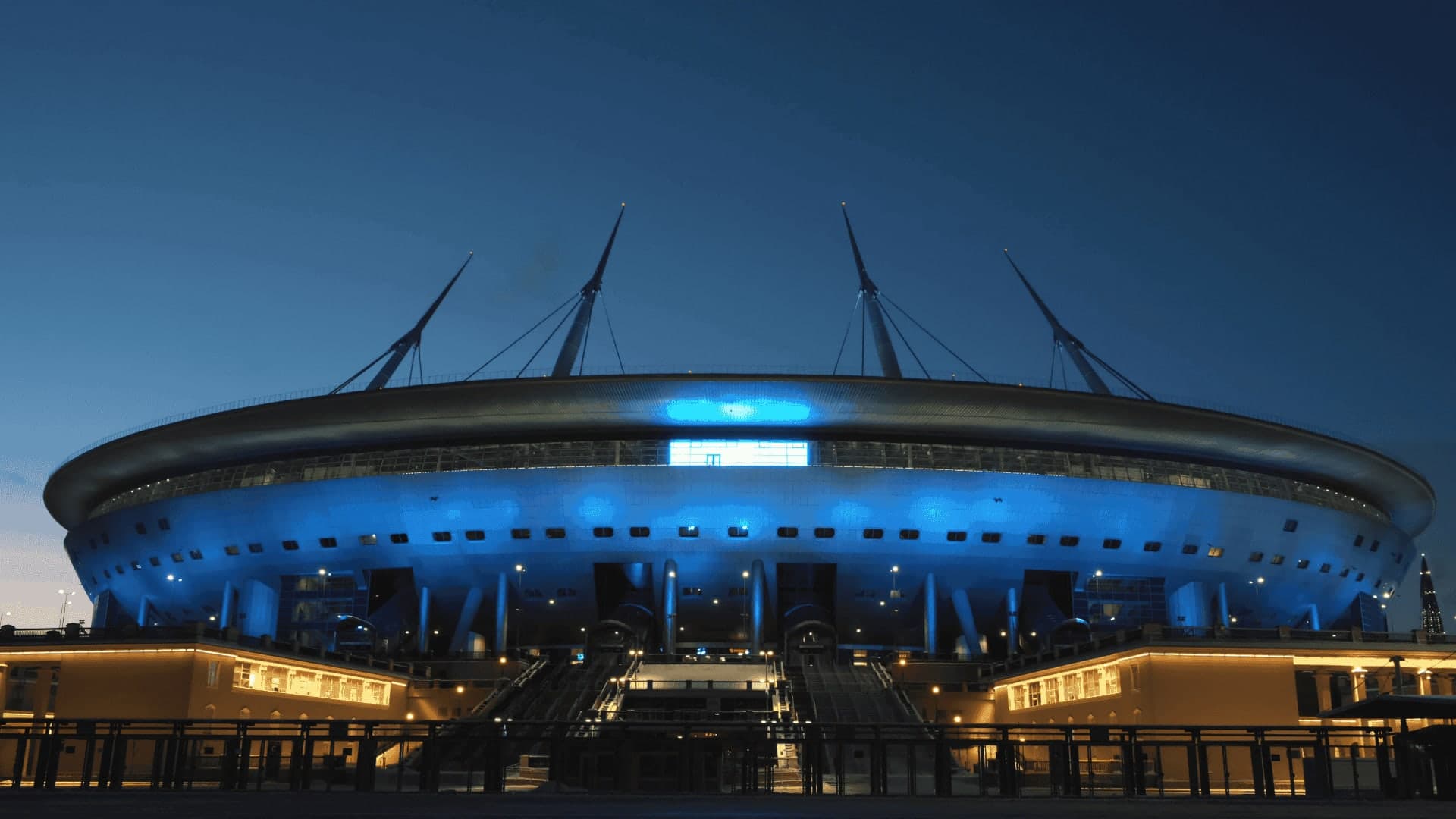
- King Salman International Stadium (North Riyadh): Designed as the flagship venue with an extraordinary 92,000-seat capacity, scheduled to host the opening match and the World Cup final. Groundworks and structural engineering packages are actively progressing in North Riyadh near King Khalid International Airport.
- Prince Mohammed bin Salman Stadium (Qiddiya City): A breathtaking clifftop architectural marvel featuring a multi-functional retractable roof and LED matrix field, fully integrated into Qiddiya's entertainment and hospitality core.
- Jeddah Central Stadium: A cornerstone of the SAR 75 billion Jeddah Central master development, featuring 45,000 seats and coastal bioclimatic cooling systems overlooking the Red Sea waterfront.
- Aramco Stadium (Al Khobar): A 47,000-capacity premier sporting venue being developed in partnership with Saudi Aramco, elevating Eastern Province sports infrastructure.
- NEOM Sky Stadium: Positioned over 350 meters above the ground within The Line, representing a global breakthrough in vertical sports engineering.
Host City Property Price Benchmarks & Valuation Impact (2026 Data)
Proximity to stadium precincts, metro connections, and fan zones is creating distinct real estate pricing premiums across host metropolitan areas:
| Host City | Key Venue / District | Avg Residential Price (SAR/sqm) | Forecasted Appreciation (2026–2030) | Expected Rental Yield |
|---|---|---|---|---|
| Riyadh (North) | King Salman Stadium / Al Salheya & Khozama | SAR 9,200 – 15,500 | +32% to +45% | 8.5% – 9.8% |
| Riyadh (West) | Qiddiya / Tuwaiq Corridor | SAR 5,800 – 9,200 | +28% to +38% | 8.0% – 9.2% |
| Jeddah | Jeddah Central & Waterfront Obhur | SAR 8,500 – 16,000 | +25% to +35% | 7.8% – 9.0% |
| Al Khobar | Aramco Stadium / Al Rakah & Al Shatea | SAR 6,200 – 10,500 | +20% to +30% | 8.2% – 9.5% |
| Abha | King Khalid University Stadium Area | SAR 3,800 – 6,000 | +22% to +32% | 7.0% – 8.5% |
ما نوع العقار والمنطقة المناسبة؟
اختر نوع العقار والمدينة المستهدفة لاستعراض أنسب الخيارات.
Worked Investment Example: Residential Asset in North Riyadh's Stadium Corridor
To evaluate the real-world return dynamics, consider an acquisition in the emerging northern growth corridor benefiting directly from King Salman Stadium development:
- Property Profile: 3-Bedroom Executive Apartment (165 sqm) in Al Salheya / North Riyadh.
- Purchase Price (2026): SAR 1,450,000 (SAR 8,788 / sqm).
- Acquisition Costs: 5% RETT (SAR 72,500) + 2.5% Brokerage (SAR 36,250) + VAT/Admin (SAR 6,938) = Total Outlay: SAR 1,565,688.
- Projected Long-Term Annual Rent: SAR 125,000 / year (8.6% gross yield).
- Short-Term / Tournament Rental Uplift: Short-term event leasing potential during FIFA 2034 matches projected at SAR 2,500 – 4,000 per night.
- 5-Year Capital Appreciation: Estimated conservative value by 2031 at 6.8% CAGR = SAR 2,015,000 (+SAR 565,000 net unrealized gain).
Long-Term Legacy & Catalytic Growth
The 2034 World Cup is not merely an isolated sporting celebration; it is an economic growth multiplier accelerating the delivery of over 100,000 new hotel keys, expanding King Khalid International Airport into the mega King Salman Airport (aiming for 120 million passengers by 2030), and integrating regional high-speed rail networks. For property buyers, securing assets along transit corridors connecting to stadium hubs offers historic capital appreciation potential.
For deeper analysis on purchasing property across host cities, explore our comprehensive Riyadh Real Estate Investment Guide and Foreign Property Ownership Guide.
حدد ميزانيتك الاستثمارية
حدد ميزانيتك التقديرية لنقوم بتضييق خيارات العروض.
الأسئلة الشائعة
The World Cup is already influencing stadium construction, infrastructure planning, hospitality development and private investment. Saudi Arabia 2034 World Cup Real Estate activity is most visible in Riyadh, Jeddah, Al Khobar, Abha and NEOM. The long-term property impact will depend on whether new transport, tourism facilities and commercial development continue generating demand after the tournament.
The World Cup may support property prices in selected locations, especially where stadium development is combined with better transport, employment, tourism and permanent amenities. However, it does not guarantee price growth across Saudi Arabia. Property values will also depend on supply, financing conditions, affordability, infrastructure completion and local demand.
Riyadh may experience the broadest impact because it is planned to host eight stadiums. Jeddah will have four venues, while Al Khobar, Abha and NEOM will each host one. The effect will differ by city: Riyadh has diversified urban demand, Jeddah has hospitality potential, Al Khobar has corporate demand, Abha is tourism-oriented and NEOM is a longer-term development story.
Saudi Arabia's plan includes 15 stadiums across five host cities. Riyadh is planned to have eight venues, Jeddah four, and Al Khobar, Abha and NEOM one each. Four existing stadiums are being renovated, while the remaining venues are new-build projects. The tournament plan also includes 132 training grounds for the expanded 48-team format.
Stadiums can attract infrastructure, retail, hospitality and transport investment, which may improve the attractiveness of nearby districts. However, being close to a stadium does not automatically increase property value. Areas with strong transport connections, employment, schools, retail and year-round demand are generally better positioned to benefit from World Cup-related development.
Rental demand could increase in host cities as the tournament approaches, particularly for furnished apartments, serviced residences and short-term accommodation. Properties near transport networks and major visitor destinations may receive more attention. However, additional construction could also increase rental supply, so long-term performance will depend on year-round tenant demand rather than World Cup visitors alone.
The tournament is expected to increase demand for hotels, serviced apartments and other visitor accommodation across host cities. This could encourage new hospitality and mixed-use development. The strongest long-term projects will be those that can continue attracting tourists, business travellers and domestic visitors after 2034 instead of depending only on tournament-related demand.
Foreign buyers can access property ownership under Saudi Arabia's updated non-Saudi ownership framework, subject to eligibility requirements, geographical controls and applicable regulations. The World Cup itself does not remove those restrictions. International buyers should check the current REGA requirements for the specific property and location before completing a transaction.
The World Cup supports several wider Vision 2030 objectives, including tourism growth, infrastructure development, international investment, entertainment and urban transformation. This connection matters because many stadium-related investments can also serve residents and businesses after the tournament. That increases the possibility of a longer-lasting property-market impact rather than a temporary event-driven boom.
The impact can be sustainable where World Cup investment creates permanent transport, tourism facilities, employment and mixed-use districts. The main risk is oversupply if too much housing or hospitality space is developed mainly for temporary event demand. Long-term success will depend on whether these properties remain useful and occupied after the World Cup ends.
