
If you last heard about Saudi Arabia from someone who lived here a decade ago, your mental picture is probably outdated. The Kingdom that once relied heavily on oil and maintained a conservative, closed-off reputation has reinvented itself at a breathtaking pace.
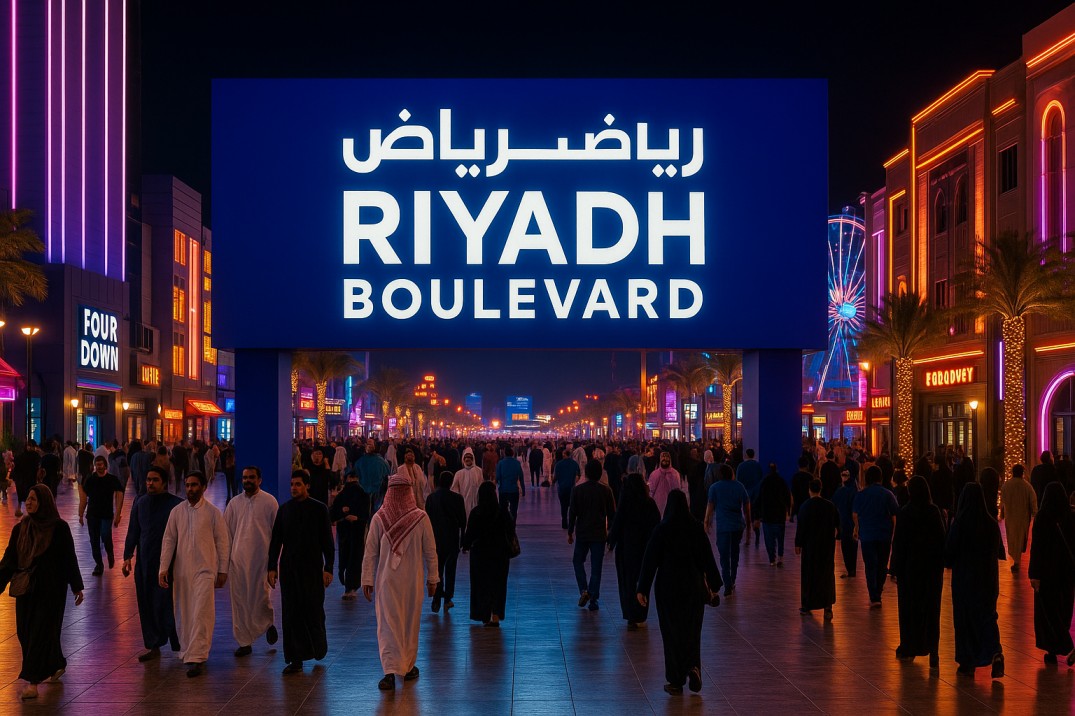
Walk through Riyadh’s Boulevard City during winter, watch families enjoying concerts on Jeddah’s waterfront, or step inside NEOM’s recruitment centers—and you will realize why expats from London, Manila, Mumbai, Riyadh, and Johannesburg are calling Saudi Arabia their new long-term home.
Vision 2030 has not only transformed the skyline; it has reshaped the life of an expat in Saudi Arabia in ways few would have predicted. The country’s social norms, entertainment options, labor system, residency pathways, and economic opportunities have expanded dramatically. This is no longer a “hardship posting.” For many professionals, it’s a frontier of possibility—if you understand how life here really works.
The Legal Landscape: Visas & Residency (2025 Update)
Saudi Arabia’s labor and residency ecosystem has undergone the most profound changes since the Kingdom began welcoming foreign workers. The outdated systems that shaped expat life for decades are gone—replaced by streamlined, digital, contract-based frameworks built around transparency and mobility.
The End of the “Kafeel” System: Labor Reform Initiative & Qiwa
Ask any expat who lived here before 2020 and they will tell you stories of the old sponsorship system—changing jobs was difficult, exit permits required approvals, and mobility was closely tied to the employer. That era is over.
In 2021, the Ministry of Human Resources launched the Labor Reform Initiative (LRI) and introduced the Qiwa platform, which today (in 2025) is the backbone of expat employment.
What has changed?
- Job Mobility: Expats can change jobs at the end of their contract without employer consent.
- Freedom of Movement: Exit and re-entry visas can be initiated digitally by employees themselves via the Absher app.
- Contract Protection: All contracts are digitally verified on Qiwa, preventing disputes and ensuring salary protection.
- Transparency: Job mobility is now governed by transparent rules instead of manual approvals.
This shift has dramatically improved employer–employee balance, making the Kingdom more competitive for global talent.
Residency Options: Standard Iqama vs. Premium Residency (2025 Models)
Most expats still come through employer-sponsored Iqama residency. But a major transformation in 2023–2025 has been the rise of the Premium Residency program, which grants long-term independence from sponsorship.
Today’s Premium Residency products include:
- Special Talent Residency: For doctors, researchers, and executives.
- Investor Residency: For those meeting minimum investment thresholds.
- Real Estate Owner Residency: Based on qualifying property ownership (Minimum SAR 4 Million for permanent residency).
- Entrepreneur Residency: For startup founders with approved funding.
- Exceptional Residency: Awarded to individuals of global distinction.
Why is this a game-changer?
Premium Residency holders can own property, sponsor their own family, open businesses, work for any employer, and enter/exit without visa restrictions. For highly skilled professionals, this has opened a new chapter in the life of an expat in Saudi Arabia, shifting the mindset from temporary stay to long-term settlement.
Which property type and region do you prefer?
Cost of Living in Saudi Arabia (2024–2025 Breakdown)
The cost of living in the Kingdom varies dramatically between cities—and between compound living and standard apartments. Here is a realistic, 2025-aligned breakdown based on current rental data, GASTAT reports, and market trends.
Housing Costs (Monthly Averages)
| City | 1-BR Apartment | 2-BR Apartment | Expat Compound (2–3 BR) |
| Riyadh (North) | SAR 3,000–4,500 | SAR 4,200–6,000 | SAR 9,000–14,000 |
| Jeddah (Central/Corniche) | SAR 3,000–4,000 | SAR 4,000–5,500 | SAR 8,000–13,000 |
| Dammam/Khobar | SAR 2,300–3,200 | SAR 3,200–4,400 | SAR 6,000–10,000 |
Utilities (Electricity, Water, Cooling)
- Single expat: SAR 250–450/month
- Family of four: SAR 450–800/month(Note: AC-heavy summer months (June–September) will see higher electricity consumption.)
Groceries (Monthly)
- Single expat: SAR 700–1,000
- Family: SAR 2,000–2,800
- Tip: Shopping at hypermarkets like Lulu, Danube, or Tamimi Markets offers varied price points.
Fuel & Transport
- Petrol (Octane 91): ~SAR 2.18/litre (Regulated by Aramco).
- Monthly car cost: SAR 300–600 depending on travel.
SGE Snippet: What is the average monthly budget for an expat in Saudi Arabia?
A single expat typically needs SAR 5,000–8,000 per month depending on housing choices. A family of four usually requires SAR 12,000–20,000 per month, particularly in Riyadh or Jeddah. This is competitive compared with Riyadh, Doha, and Muscat, making the Kingdom increasingly attractive for mid-career professionals.
Housing Market: Compounds vs. Independent Living
Housing is one of the biggest lifestyle differentiators for expats. Your decision shapes your community, privacy, social life, and even your children’s friendships.
Expat Compounds: Community, Comfort & Premium Pricing
Compounds are purpose-built, gated communities offering a lifestyle that feels familiar to Western or multicultural expats.
- Advantages: Recreational facilities (pools, gyms, tennis courts), mixed-gender environment, social events, barbecues, kids’ clubs, and higher security.
- Disadvantages: Prices can be double that of normal apartments, and some popular compounds have long waitlists.
- Key Neighborhoods:
- Riyadh: Al Malqa, Al Narjis, Hittin, Al Yasmeen.
- Jeddah: Al Zahra, Corniche, Al Shati.
Independent Apartments: Affordable & Urban
These apartments offer significantly lower costs and more authentic immersion in Saudi society.
- Pros: Much cheaper than compounds; newer buildings often feature modern smart-home interiors; closer proximity to regular workplaces and malls.
- Cons: Fewer amenities (like pools) and less social interaction for non-Arabic speakers.
For many expats—especially young professionals—independent living in areas like Riyadh’s Al Olaya, Khobar Corniche, or Jeddah’s Al Rawdah offers the best balance of affordability and convenience.
Working in KSA: Salaries, Benefits & Culture
The allure of a tax-free salary is still a major attraction, but the modern workplace in Saudi Arabia offers much more than financial benefits. Corporate restructuring, globalization, and the national push for talent have reshaped the job landscape.
Salaries & Benefits
Typical monthly salaries for skilled expats in 2025 (Source: Industry Recruitment Data):
| Role | Salary Range (SAR) |
| Senior Engineer | 18,000–30,000 |
| IT/Cloud Architect | 20,000–35,000 |
| Healthcare Specialist | 15,000–28,000 |
| Teacher (Intl. School) | 10,000–18,000 |
| Hospitality Manager | 7,500–14,000 |
Most packages include a Housing Allowance (usually 25% of basic salary), Medical Insurance, Annual Flights home, and often School Tuition support for families.
What about the Dependent Levy?
Foreigners with dependents pay a monthly Dependent Fee:
SAR 400 per dependent / per month.
This is important when calculating your total"life of an expat in Saudi Arabia" budget.
Workplace Culture
Saudi Arabia’s corporate culture blends tradition with modern professionalism.
- Respect & Hospitality: Meetings often begin with warm pleasantries and tea/coffee.
- Prayer Times: Schedule adjustments around daily prayer timings are common and respected.
- Gender Diversity: There is an increasing role of women in the workplace; mixed-gender teams are now the norm in most multinationals.
- Digital First: A growing emphasis on digital skills and performance metrics.
Lifestyle, Entertainment & Social Norms
Saudi Arabia’s social scene in 2025 is energetic, family-friendly, and surprisingly diverse. The General Entertainment Authority’s initiatives have unlocked experiences that were unimaginable 10 years ago.
The Entertainment Boom
Just a sample of what expats enjoy today:
- Riyadh Season: A months-long festival featuring concerts, global dining, and theme parks.
- Jeddah Season: Waterfront events, fireworks, and cultural exhibitions.
- Red Sea Tourism: Luxury resorts, coral diving, and island trips.
- Cinemas: VOX, AMC, and Muvi cinemas are open across every major city.
- Sports: Major events like Formula 1, boxing championships, and e-sports tournaments.
Saudi Arabia is positioning itself as a global entertainment hub—offering expats a lifestyle once only associated with Riyadh.
Cultural Etiquette for Expats
Understanding norms is essential for a smooth transition:
- Dress Code: Expats must dress modestly. While the strict abaya rule has been relaxed, women generally opt for long dresses, cardigans, or abayas for comfort. Men should avoid shorts in government buildings.
- Public Behavior: Respect for families, privacy, and public decency is important. Avoid photographing people without permission.
- Alcohol: Alcohol remains prohibited, even in private settings. Social life revolves around cafés, fine dining, desert camping (Kashta), and events.
Ready to invest? What is your budget?
Families in KSA: Education & Healthcare
For families, Saudi Arabia offers high-quality systems—though at a premium.
International Schools (2025 Costs)
Most expat families enroll their children in international schools offering American, British, IB, or Indian curricula.
- Kindergarten: SAR 25,000–40,000
- Primary school: SAR 30,000–55,000
- High school: SAR 45,000–80,000+
- Note: Premium schools in Riyadh’s Diplomatic Quarter or Jeddah’s Al Shati may cost significantly more.
Healthcare: Quality & Requirements
Healthcare in Saudi Arabia is excellent, particularly in private hospitals.
- Mandatory Insurance: Medical insurance is mandatory for all residents under CCHI rules.
- Top Hospitals: Institutions like King Faisal Specialist Hospital, Dr. Sulaiman Al Habib, and Saudi German Hospital provide world-class care.
- Coverage: Most expat insurance plans cover consultations, medications, and emergency services.
Challenges & Reality Checks
Life in Saudi Arabia offers tremendous benefits, but honesty builds trust—so here are the common challenges expats should anticipate:
- Extreme Heat: From May to September, temperatures in Riyadh and Dammam can exceed 45°C. Outdoor activities require planning, hydration, and AC.
- Bureaucracy: Although digital platforms like Absher and Tawakkalna have streamlined processes, some government steps can still be bureaucratic. Patience is key.
- Social Adjustment: Saudi society is welcoming, but cultural differences regarding family norms and privacy may take time to understand.
- Driving Culture: Traffic rules are modernizing with cameras (Saher), but aggressive driving styles can still surprise newcomers.
How would you like to be contacted?
A New Chapter for Global Professionals
The life of an expat in Saudi Arabia in 2025 is not what it used to be. It is ambitious, modern, opportunity-rich, and rapidly evolving. Whether you are moving for career growth, tax-free income, entrepreneurial opportunities, or a new cultural adventure, Saudi Arabia offers a transformative experience—provided the package aligns with your lifestyle, family needs, and long-term goals.
The Kingdom is building something historic, and expats are not just watching from the sidelines—they are helping shape it. If the right offer comes your way, this may be one of the most rewarding chapters of your global career.
Frequently Asked Questions: Life of an Expat in Saudi Arabia
1. Is Saudi Arabia safe for expats and their families?
Yes. Saudi Arabia is considered one of the safest countries in the Middle East, with low violent-crime rates and strong police presence. Cities like Riyadh and Jeddah have secure neighborhoods and monitored public spaces, and most expats report a high level of daily safety.
2. What is the dress code for expats in Saudi Arabia in 2025?
Expats are not required to wear traditional Saudi clothing. Women do not need an abaya, but modest outfits covering shoulders and knees are recommended. Men should avoid sleeveless shirts and short shorts. Some workplaces or government offices may expect more conservative attire.
3. Can unmarried couples live together in Saudi Arabia?
Yes. Recent reforms allow unmarried couples to live together without showing marriage documents for rentals or hotel stays. Many expat couples now share housing comfortably, though respectful behavior and discretion are still advised, especially in conservative towns.
4. Is alcohol available for expats in Saudi Arabia?
No. Alcohol remains fully prohibited in Saudi Arabia as of 2025. It is not sold in restaurants, supermarkets, hotels, or private stores. Importing, producing, or consuming alcohol can lead to strict penalties. Expats socialize through cafés, events, and family activities instead.
5. Can expats buy a house or property in Saudi Arabia?
Yes. Expats can buy property under updated ownership laws, especially through Premium Residency, which grants broader property rights without a sponsor. Standard residents may buy in approved zones, while Premium Residency holders can freely own homes and invest in real estate.