
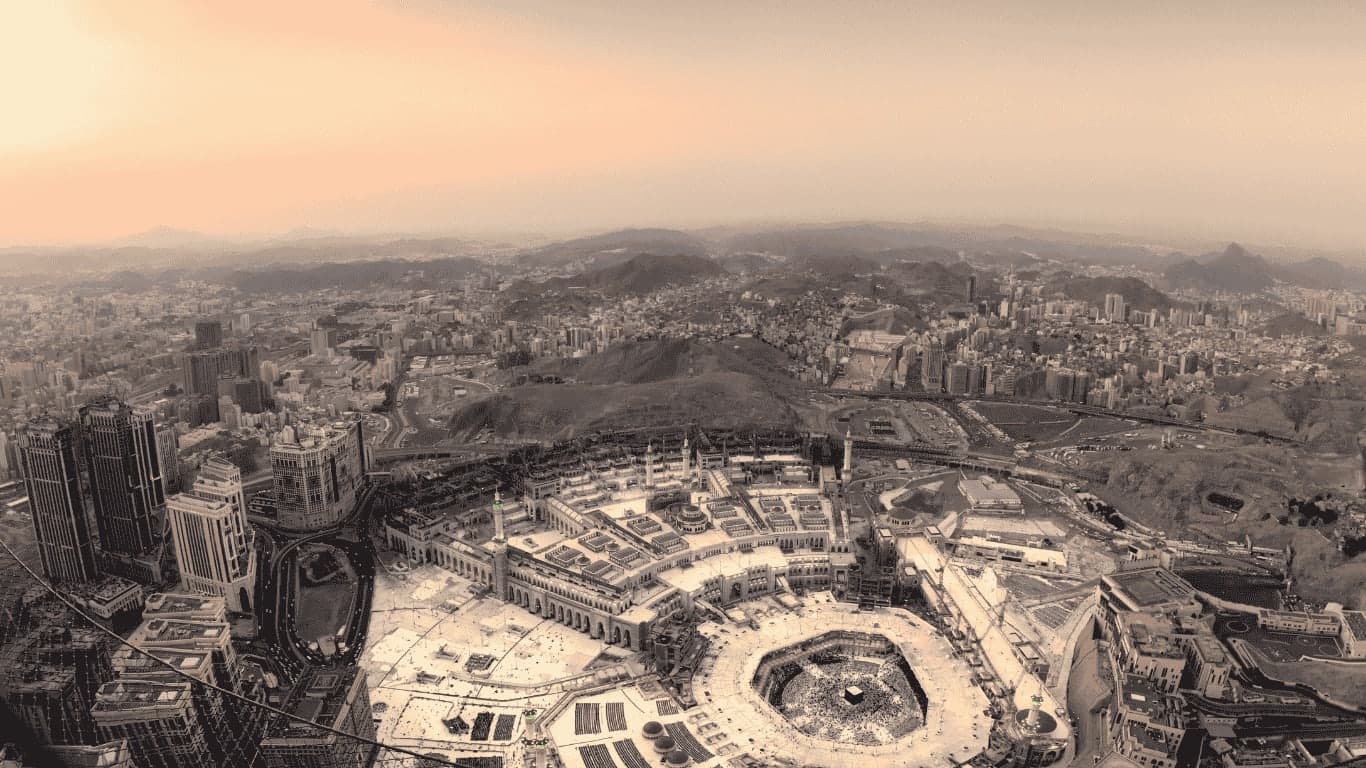
Investing in real estate within the two holy cities of Makkah and Madinah carries unmatched spiritual significance alongside exceptional economic potential driven by the annual influx of millions of Hajj and Umrah pilgrims. Under Saudi Arabia's Vision 2030 pilgrimage targets—aiming to welcome over 30 million pilgrims annually—demand for hospitality real estate and serviced residential apartments continues to experience historic growth.
However, real estate acquisitions within Makkah and Madinah operate under a specialized regulatory regime established by Royal Decrees and administered by the Real Estate General Authority (REGA) and the Ministry of Justice.
Legal Framework: Freehold vs. Usufruct Rights in the Holy Cities
Under Saudi statutory law, ownership rights within the designated municipal boundaries of Makkah and Madinah are governed by specific religious and legal criteria:
- Muslim Identity Mandate: In accordance with the Basic Law of Governance, ownership and acquisition of real estate rights within the Haram precincts is strictly limited to Muslim individuals.
- Direct Freehold Ownership (Milk Tam): Reserved primarily for Saudi citizens and companies wholly owned by Saudi nationals.
- Usufruct Rights (Haqq al-Intifa'a - up to 99 Years): Foreign Muslim individuals and expatriates are legally permitted to acquire long-term registered usufruct agreements extending up to 99 years in masterplanned redevelopment zones (such as Thakher Makkah, Masar Destination, and Knowledge Economic City in Madinah).
- Indirect Capital Market Investment (REITs): Non-Muslims and international institutional funds may invest freely in publicly traded Real Estate Investment Traded Funds (REITs) listed on the Saudi Exchange (Tadawul) that own prime hotel and commercial portfolios in Makkah and Madinah.
Step-by-Step Acquisition Workflow for Foreign Muslim Buyers
- Step 1: Document Verification & Islamic Identity Confirmation: Foreign applicants must present verified identification credentials through Nafath or consular certification confirming Muslim status, along with proof of financial capacity.
- Step 2: Project Due Diligence & Wafi Certification: For off-plan units near the Haramain corridors, verify that the project possesses an active Wafi license and a secured project escrow account with a licensed Saudi bank.
- Step 3: Cadastral Survey & Electronic Deed Check: Check the electronic title deed on the National Real Estate Registry (Sijil Aqqari) to confirm boundary coordinates, absence of judicial freezes, and valid zoning classification.
- Step 4: Real Estate Transaction Tax (RETT 5%): Register the transaction on the ZATCA portal to issue the SADAD bill. Settle the mandatory 5% RETT prior to final conveyance.
- Step 5: Execution of Notarial Conveyance on Najiz: Complete the deed transfer or usufruct registration electronically via the Ministry of Justice Najiz platform. The system records the registered right in the national registry and issues a certified electronic deed.
Which property type & region do you prefer?
Select property type and preferred city in Saudi Arabia.
Madinah vs. Makkah Investment Profiles: 2026 Comparison
| Location | Central Zone Avg Price (SAR/sqm) | Secondary Zone Avg Price (SAR/sqm) | Gross Rental Yield | Primary Investment Vehicle |
|---|---|---|---|---|
| Makkah | SAR 55,000 – 110,000 | SAR 5,500 – 12,000 | 9.2% – 11.5% | Pilgrim Serviced Suites, Masar Destination, Thakher |
| Madinah | SAR 35,000 – 75,000 | SAR 4,500 – 9,800 | 8.8% – 10.8% | Central Markaziyah Hotels, Knowledge Economic City (KEC), Al Madinah Townhouses |
Important Regulatory Precautions
Ensure that all lease contracts and usufruct agreements are registered through the governmental Ejar platform to guarantee statutory enforceability in Saudi commercial courts. Never transact through unregistered private contracts or informal nominees, as Saudi anti-concealment laws (Tasattur) impose severe criminal and financial penalties on unauthorized beneficial ownership arrangements.
Explore our detailed localized pricing guides for Apartment Prices in Mecca and Apartment Prices in Madinah.
What is your approximate budget?
Narrow down property options based on your target budget.
Frequently Asked Questions
No. Non-Muslim individuals cannot own property directly in either city, even within the approved zones. They can still invest indirectly by buying shares in Saudi-listed companies that own real estate in the two cities, where combined foreign ownership is capped at 49% per company, or by subscribing to regulated real estate funds that invest there. These routes offer market exposure but not a home to live in.
No. Muslim buyers living abroad can apply. The process begins at a Saudi embassy or mission, where you obtain a digital ID. You will also need a Saudi bank account and a Saudi mobile number registered in your own name, because applications run through the Saudi Properties portal and payments must pass through approved electronic channels. Start these steps early, as they take time.
Not directly. Ownership in the two holy cities is restricted to Muslim individuals and Saudi companies, including Saudi companies with non-Saudi shareholders operating within the approved scope and subject to separate controls. A foreign-registered company that wants exposure to these markets can consider shares in Saudi-listed real estate companies or regulated real estate funds that hold property in Makkah and Madinah.
The main purchase cost is the 5% Real Estate Transaction Tax, while the sale itself is exempt from VAT. When a non-Saudi later sells or otherwise disposes of the property, an additional 2% disposition fee applies in Madinah, Makkah, Riyadh and Jeddah. On top of these, budget for brokerage commission, building service charges, bank transfer fees and any currency conversion costs.
Yes, provided the unit lies inside an approved zone. Several zones announced in June 2026 sit close to Masjid al-Haram, including Abraj Makkah, Burj Ajyad and Jabal Omar. Prices, availability and the type of right on offer vary from project to project, so confirm the exact unit's zone status on the official map and get the right being sold stated in writing.
Some Saudi banks lend to resident expats, but terms for non-Saudis are usually stricter, often including a larger down payment, a minimum salary and a required period of employment in the Kingdom. Non-residents generally find bank finance difficult to obtain and tend to buy with cash, or through developer payment plans on off-plan projects that spread payments over construction.
No. Buying property does not automatically come with a residence permit or visa. Residency is handled through separate programmes, such as Premium Residency, each with its own eligibility criteria, fees and approval process. Treat ownership and residency as two independent applications, and do not rely on a seller's promise that a purchase will secure a visa for you or your family.
Owners can generally lease their property, and demand rises sharply during Ramadan and Hajj. However, short-term or hotel-style rentals may need separate licensing, and many serviced towers are run by operators under their own management agreements. Review the building's rules and the applicable licensing requirements before counting on rental income, and factor seasonal vacancy into your projections.
A non-Saudi cannot legally acquire property outside the approved zones in Makkah and Madinah, and the Saudi Properties portal will not approve such an application. Always check the exact location on the official map before signing a reservation form or paying a deposit, because recovering money from a failed transaction can be slow and is never guaranteed.
It depends on your preparation and the property type. Residents with an active Saudi bank account can move quickly once a unit is chosen and approved. Non-residents should allow extra time for the digital ID, bank account and mobile registration. Off-plan purchases also follow construction milestones, so final handover may come months or years after the contract is signed.
