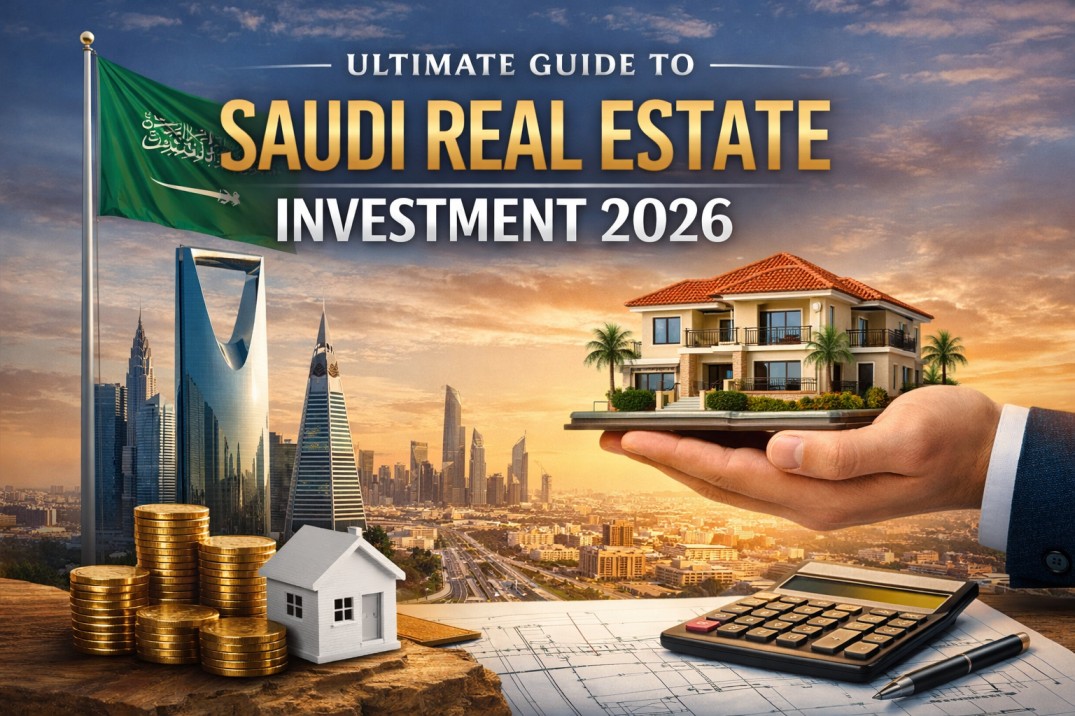
Saudi Arabia is preparing to officially open its real estate market to foreign buyers starting January 2026. This decision dismantles long-standing ownership restrictions and, for the first time, allows international individuals and companies to legally purchase, own, and invest in property across the Kingdom. The reform is a core part of the Vision 2030 strategy to diversify national income sources and reduce dependence on oil.
The announcement has triggered strong interest among global investors, expatriate professionals, and business leaders who are seeking long-term opportunities in a rapidly transforming market. RealEstateSaudi.com will guide you through this major change with expert analysis, clear explanations, and on-ground knowledge of buying property in Saudi Arabia.
In this comprehensive guide, we will explain what the 2026 foreign ownership law means, identify new investment avenues—ranging from residential apartments and luxury villas to commercial developments and mixed-use projects—and highlight why analysts see this as a historic opening. This is a rare moment to understand the market early and potentially secure a first-mover advantage in one of the fastest-growing real estate destinations in the Middle East.
The Big Change: Understanding Saudi Arabia’s 2026 Property Law
Saudi Arabia is preparing to introduce a new real estate framework in 2026, and it will significantly alter how non-Saudis can buy property in the Kingdom. In the past, foreign buyers had limited pathways to ownership and often needed government approvals or a proven business need to purchase any real estate. Many were restricted to owning one residential unit only after securing special authorization. These long-standing barriers are being removed under the incoming legislation.
The law, formalized through Royal Decree No. M/14, opens property access to a wider audience. Individuals from abroad, global firms, and international investment funds will be able to purchase different categories of real estate. This includes residential properties, commercial assets, industrial zones, agricultural land, and real estate tied to large development projects. The goal is to make the market more accessible and to welcome capital from around the world.
Saudi authorities will identify specific areas where foreign ownership is allowed. These areas are expected to include major metropolitan centers, planned economic zones, and new development districts aligned with national growth targets. Buyers in these regions can acquire full ownership rights or secure extended lease agreements backed by proper registration and legal protection.
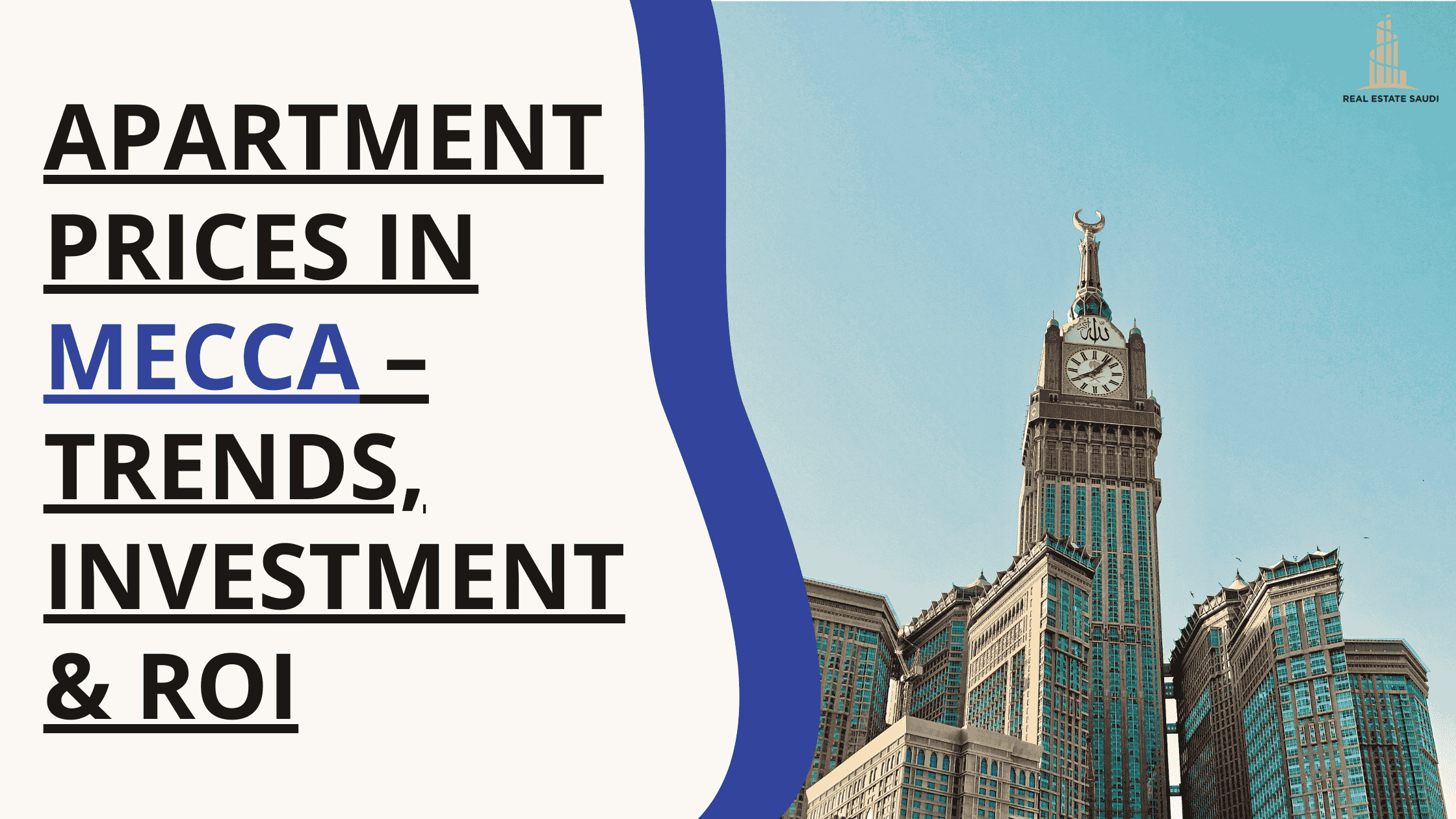
Certain areas will remain protected. Property in Makkah and Madinah, due to their religious significance, will continue to operate under dedicated regulations. Apart from those exceptions, the new rules create a wide opening for international investment. The law also reflects modern real estate trends. Investors will be able to participate in high-profile projects, as well as innovative ownership models such as fractional investment, digital staking, and portfolio-based property holdings.
According to Saudi regulatory guidance, the 2026 reforms are intended to support economic diversification and increase long-term private participation in the national real estate market. The Kingdom is shifting away from previous limitations and moving toward a more flexible, investor-friendly landscape with global visibility.
New Investment Opportunities for Foreign Buyers
With ownership restrictions easing, international investors have access to a much wider range of real estate assets in Saudi Arabia. Below is an overview of the main property categories now open to foreign buyers and the strategic advantages each segment can offer.
Residential Property: Homes, Villas, and Apartments
One of the biggest shifts is in the residential sector. Foreign nationals will be able to purchase homes in major cities, whether that means a villa in Riyadh’s emerging suburbs or an apartment overlooking Jeddah’s coastline. Buying residential real estate was previously difficult for most expatriates, but starting in 2026, properties can be purchased for personal living, rental income, or long-term investment. This is especially attractive given the Kingdom’s increasing rental demand, driven by a young population and a growing number of professionals. High-interest areas such as Riyadh and Jeddah continue to record rising occupancy rates and strong property fundamentals.
Commercial Real Estate: Offices and Retail Space
The reform also expands access to commercial property. International business owners and corporates can acquire office units, retail outlets, and even full buildings in business districts. Riyadh’s financial quarter and new innovation zones are growing rapidly under Vision 2030, and direct ownership gives buyers the ability to control their business premises or build portfolios in high-yield commercial centers. Saudi initiatives to attract global headquarters are expected to boost long-term demand in this segment.
Industrial and Logistics Property
Saudi Arabia’s industrial landscape has historically been dominated by local entities, but foreign investors will now be able to purchase land and buildings in logistics zones, manufacturing districts, and economic cities. Distribution centers, warehouses, and industrial sites in regions like the Eastern Province are seeing strong demand due to port access and trade growth. For investors seeking stable income and multi-year leasing contracts, industrial property offers predictable returns linked to the Kingdom’s non-oil economic expansion.
Agricultural Land and Farming Projects
An often overlooked aspect of the reform is access to agricultural properties. Foreign buyers can invest in farmland, date plantations, greenhouse operations, or agricultural development projects. This provides opportunities in food production, sustainability ventures, and agri-technology. It is a specialized sector, but it may appeal to investors interested in long-term government-supported initiatives involving water efficiency, modern farming, and strategic crop cultivation.
Participation in Vision 2030 Mega-Developments
Saudi Arabia is actively encouraging international involvement in its flagship mega-projects. These developments include futuristic smart-city plans, luxury tourist destinations, and large-scale residential and entertainment complexes. Landmark initiatives such as NEOM, Qiddiya, Red Sea Global destinations, and Diriyah Gate offer opportunities to acquire property or participate in phased development investments. Investors can gain exposure to some of the most ambitious urban planning and tourism efforts currently underway in the Middle East.
Choosing the Right Investment Path
The scope of permitted investment is broad. Whether an investor is targeting a residential apartment in Riyadh, a warehouse in Dammam, a retail unit in Jeddah, or equity in a major Vision 2030 development, the 2026 reforms create room for multiple strategies. Residential assets may deliver strong rental yields, commercial property allows entry into Saudi’s expanding corporate market, industrial investments may provide long-term stability, and mega-project involvement offers future growth potential.
Buying real estate in Saudi Arabia is no longer a restricted option for foreign nationals — it is an emerging mainstream opportunity that aligns personal, business, and portfolio objectives within a rapidly transforming national economy.
Vision 2030 Connection: Why Saudi Arabia Is Opening Its Property Market
Why A natural question arises: why would a country that once tightly controlled foreign ownership make such a sweeping policy change? The answer is directly linked to Vision 2030, the national strategy to diversify economic activity and reduce reliance on oil revenues. Liberalizing real estate ownership is a core component of that plan, designed to reshape cities, attract capital, and stimulate long-term private sector growth.
Bringing Global Capital Into the Kingdom
One of the main objectives is to encourage foreign direct investment (FDI) in real estate. By allowing international buyers to purchase property, Saudi decision-makers aim to channel global wealth into large development zones, new cities, and flagship projects. Analysts expect that modern ownership rules will significantly increase demand from international investors, creating a steady flow of capital to support urban expansion and long-term infrastructure.
Improving Market Standards and Urban Development
Another goal is to enhance the quality and scale of real estate development. Opening the market creates competitive pressure and brings in global expertise related to smart cities, sustainable building materials, high-end retail districts, and architectural innovation. The government wants Saudi cities to evolve into modern, livable environments with advanced utilities, efficient transport, and a variety of residential options. Vision 2030 places strong emphasis on building thriving metropolitan centers that meet international standards.
Creating Employment and Private Sector Opportunities
A more dynamic property market leads directly to job creation. New construction projects generate employment in engineering, construction, design, property management, brokerage, finance, and legal services. Beyond the building phase, continued growth in retail, hospitality, technology, and professional services is expected as a result of foreign enterprises establishing a physical presence in the Kingdom. Vision 2030 seeks to accelerate private sector participation and reduce unemployment, and real estate growth is a key driver of that shift.
Reducing Dependence on Oil Revenues
Diversification is at the heart of Vision 2030. Expanding real estate, tourism, and investment-driven sectors offers alternative revenue streams for the country. Luxury coastal developments, business districts, entertainment zones, and tourism projects generate income from international visitors, expatriates, and foreign asset holders. The objective is to build an economy where revenue does not rely solely on crude oil exports, but instead flows from a broader base of sectors, including housing, retail, and hospitality.
A Strategic Move in a Transformational Decade
This reform is not an isolated decision, but part of a larger national transformation. It aligns with other major policies such as investor residency programs, international business incentives, and special economic zones. The timing also supports high-profile global events scheduled for this decade, including major conferences, mega-development launch phases, and international tournaments that will draw global attention to Saudi Arabia. The message is clear: the Kingdom wants to welcome investors, businesses, and international communities, and a liberalized real estate framework makes that possible.
By opening the property market to foreign ownership, Saudi Arabia is sending a strong signal that it intends to build a more diverse, more vibrant, and globally integrated economy as it advances toward its Vision 2030 objectives.
Investment Hotspots: Where to Buy in Saudi Arabia
Saudi Arabia offers multiple real estate markets with distinct strengths. With ownership now accessible to foreign investors, it is important to understand the regions that currently show the most potential for growth, rental income, and long-term appreciation.
Riyadh — The Capital of Expansion
Riyadh is the nationwide leader in economic momentum and policy support. It is the political center of the Kingdom and the core destination for corporate relocation. Government planners aim to expand the population dramatically by 2030, supported by headquarters initiatives that encourage multinational firms to establish a presence in the city. This rapid influx of organizations and employees translates directly into sustained real estate demand.
A number of large-scale developments are reshaping the capital’s skyline. The King Abdullah Financial District is developing into a concentrated hub for finance, investment banking, and technology companies. Vacancy levels in prime office towers remain extremely low, highlighting strong interest from corporate tenants. Meanwhile, residential demand is broad-based, extending from mid-market communities to luxury homes near new business districts. Analysts continue to track rising rents across the city and note attractive rental yield opportunities in select neighborhoods.
Equally important, Riyadh continues to invest in cultural, hospitality, and infrastructure programs. Diriyah Gate, a heritage-driven city district, will introduce museums, premium hotels, landscaped urban zones, and thousands of new residences. Planned global events, airport enhancements, and continuous metro expansion provide further catalysts for property value. For buyers looking at commercial units, serviced offices, or upscale residential homes, Riyadh stands out due to its scale, liquidity, and visibility under Vision 2030.
Jeddah — Coastal Investment and Tourism Growth
Jeddah offers a different profile. As a major port city on the Red Sea, it combines a relaxed coastal lifestyle with a long history of trade and international travel. The airport serves as a primary entry point for religious visitors, and this natural flow of traffic helps support hotels, serviced apartments, and short-term stays.
Waterfront regeneration is central to Jeddah’s current evolution. Redevelopment plans include a redesigned corniche with long promenades, beachfront retail, entertainment venues, residential towers, and modern commercial districts. Ambitious urban initiatives and mixed-use projects are transforming older areas of the city into lifestyle neighborhoods with improved public spaces and new housing stock. Investors interested in sea-view properties, branded residences, or hospitality-adjacent assets may find compelling long-term potential here.
Beyond tourism, Jeddah benefits from a growing service economy. Demand for leased housing remains strong among expatriates, corporate teams, and small business owners. Average rental yields in key districts remain competitive by regional standards, and the combination of cultural appeal, coastal living, and steady population growth creates a balanced investment profile. Jeddah is particularly attractive for buyers interested in mid-rise apartments, boutique commercial space, and emerging residential developments near revitalized waterfront zones.
Dammam & Al Khobar — The Logistics and Energy Corridor
The Eastern Province presents investment potential linked to industry, manufacturing, and trade. Dammam, Al Khobar, and Dhahran form an integrated metro cluster that supports major energy activities as well as broader logistics operations. The region benefits from deep-water ports, industrial parks, and ongoing development of modern warehouse facilities.
Because of strong corporate presence in the energy sector, demand for quality housing and secure compounds remains consistent. Al Khobar’s coastal districts are known for cafes, waterfront promenades, and residential communities favored by expatriate staff and professionals working in nearby corporate campuses. For investors, this means clear rental demand and steady occupancy across many property types.
The Kingdom is also investing in distribution networks, special economic zones, and high-capacity storage sites across the Eastern Province. This creates opportunities to acquire industrial units, warehouse properties, and land in designated economic areas. Investors looking for long-term leases and business-driven properties should consider studying the availability of industrial assets, particularly near major transport routes and commercial clusters.
NEOM and Giga-Projects — High-Vision, Long-Horizon Investment
A distinctive aspect of Saudi Arabia’s property landscape is the emergence of giga-projects developed under Vision 2030. These are large, master-planned initiatives backed by significant financial commitments and coordinated government leadership.
NEOM, in the northwest, is one of the most discussed developments globally. It includes futuristic concepts such as linear urban planning, industrial innovation districts, and luxury resort destinations. Investors with a long-term outlook can explore potential ownership within residential areas or commercial precincts as they are released in stages. Entry at early development phases allows buyers to position themselves ahead of future pricing cycles.
Other notable mega-developments include Qiddiya outside Riyadh (focused on entertainment, sports, and leisure), resort experiences along the Red Sea coastline, and heritage-centered investment in urban areas adjacent to cultural landmarks. Each project serves a strategic purpose: tourism, innovation, recreation, or cultural revival. Foreign property buyers can explore residential, retail, and hospitality segments within these zones depending on budget and timeline.
Identifying the Right Strategy
Saudi Arabia’s real estate market is not uniform, and investors should align choices with their goals.
- Capital growth: prime residential units in Riyadh or near giga-projects
- Rental yield: mid-market apartments in Jeddah or compounds in Al Khobar
- Industrial stability: logistics buildings around Dammam
- Long-term speculation: early entry into NEOM or Red Sea districts
The 2026 ownership reform opens the door for both conservative and high-vision real estate strategies. What was once limited to a small group of buyers is now expanding into a large, diverse, globally accessible market — and foreign investors can position themselves early.
ROI Analysis & Buying Guide: Maximizing Returns Under the 2026 Reforms
As Saudi Arabia prepares to open its real estate market to overseas buyers, investors should develop a clear strategy to secure strong returns. Understanding rental performance, pricing trends, and entry timing will help buyers make informed decisions before and after the 2026 law takes effect.
High Rental Performance and Value Growth
Saudi real estate offers an appealing balance of cash flow and appreciation potential. Current estimates show average gross rental yields in major cities at levels that outperform many established global markets. Demand for residential housing in Riyadh and Jeddah continues to rise due to population growth, internal migration, and corporate expansion. Limited supply and active tenant markets keep occupancy rates high, which supports steady monthly income for landlords.
Price growth has also been notable. Recent transactions in key districts indicate year-on-year increases in residential values, reflecting both market confidence and demographic momentum. As international buyers gain access to a larger range of assets in 2026, additional demand could place upward pressure on prices, particularly in established districts with strong infrastructure. Investors who understand local market dynamics can position themselves to take advantage of both rental revenue and long-term appreciation.
Entering Early to Capture Price Advantage
While the 2026 reforms represent a formal starting point, buyers who step in before the wider market becomes active may benefit from more favorable pricing. Off-plan purchases, reservation agreements, and pre-market developer releases allow early investors to secure property ahead of any broad influx of foreign interest. Many developers are already preparing for international participation by offering future-dated completion options and structured payment plans.
Acting ahead of the law’s implementation can provide multiple advantages: access to the best located units, selection among higher-quality floor plans, and the ability to purchase at current price levels rather than post-reform pricing. Over time, increased participation from foreign capital is likely to translate into higher competition for prime stock. Investors who move sooner rather than later can potentially lock in value before the market adjusts.
Choosing a Strategic Approach: Income, Appreciation, or Both
Prospective buyers should identify their preferred investment strategy.
- Rental-focused portfolios work well in areas with consistent tenant demand, such as city centers, expat neighborhoods, and business corridors in Riyadh, Jeddah, and the Eastern Province. Strong rental returns are supported by demographic factors, including a young population and ongoing infrastructure development.
- For investors seeking appreciation, it is wise to focus on emerging locations tied to major urban improvements or large public initiatives. Properties near planned metro stations, new entertainment districts, and waterfront redevelopment zones may experience larger value jumps over multi-year timelines. Land in districts adjacent to giga-projects and newly designated development zones can also offer speculative upside.
Balanced investment strategies combine both approaches. A buyer could secure a property with strong rental fundamentals in an established district while also allocating capital to a future-phase development in a high-growth corridor. This approach creates diversification across cash flow, timing, and capital appreciation.
How Foreign Buyers Can Prepare Now: A Practical 5-Step Buying Guide
International investors who want to participate in Saudi Arabia’s property market should start planning before the 2026 reforms take full effect. Taking early action allows buyers to move confidently when opportunities appear and avoid delays during a competitive entry period. The following five steps provide a clear roadmap.
1. Track Legal Updates and Eligible Areas
Begin by staying informed about official announcements and published regulations. The law is expected to identify which districts, cities, or development zones will open to non-Saudi buyers. Authorities may also provide guidance on purchase limits, ownership structures, or foreign participation ratios within individual projects. Maintaining awareness of these rules will allow investors to respond quickly when listings become available. Monitoring regulatory updates and development news through reputable real estate sources can help you stay ahead of the curve.
2. Plan Financing and Understand Costs
Secure a financial plan in advance. While mortgage options for foreigners may gradually emerge after 2026, early buyers should be prepared to purchase using cash, offshore financing, or alternative arrangements. Investors should also review currency transfer procedures to ensure smooth payments into the Kingdom. Property buyers should factor in acquisition taxes (RETT), registration expenses, and professional service fees. Planning for these costs ahead of time helps prevent last-minute surprises during closing.
3. Partner With a Local, Trusted Advisor
Working with an experienced Saudi real estate partner is highly recommended. Local professionals offer market visibility, development vetting, pricing insight, and legal assistance. A trusted advisor can screen projects, arrange viewings, conduct preliminary due diligence, and guide buyers through contract formalities and registration procedures. For international investors who cannot be present for every step of the transaction, local expertise provides both protection and convenience.
4. Consider Early-Phase and Off-Plan Opportunities
Buyers willing to enter during early development phases may benefit from competitive pricing and greater choice. Many developers offer pre-launch reservation options for properties that will be delivered after the new ownership laws are fully implemented. Investors should carefully evaluate project quality, developer track record, and payment structures before committing. Early investment can provide a pricing advantage if demand increases after 2026, especially in areas tied to major infrastructure or Vision 2030 growth projects.
5. Prepare Required Documentation in Advance
Organizing required paperwork ahead of time will help buyers complete transactions more efficiently. Typical documentation may include proof of identity, verification of funds, corporate registration documents (for company buyers), and confirmation of lawful money sources. Investors planning on spending significant time in the Kingdom may also explore residency programs designed for property owners and long-term investors. Ensuring these documents are ready before negotiating a purchase allows for quicker closing and smooth registration with the appropriate authorities.
Investors who take these steps early position themselves to capitalize on opportunities as soon as the market opens to international buyers. Preparation reduces risk, increases confidence, and helps ensure access to the most desirable properties and pricing. With informed planning and the right partners, foreign buyers can enter Saudi Arabia’s evolving real estate landscape from a position of strength.
The “Makkah & Madinah” Clause: Respecting Saudi Arabia’s Holy Cities
One important feature of the new ownership reforms is the special treatment of Makkah and Madinah. These two cities hold deep religious significance, and the government intends to preserve that status even as it opens the broader property market to foreign participation. The approach is to continue protecting the sanctity of the holy cities while still making limited space for development under carefully defined conditions.
Existing Restrictions Remain, With Limited Adjustments
The long-standing rule preventing non-Saudis from holding property outright in Makkah and Madinah will largely remain in effect. The policy framework for 2026 is expected to introduce exceptions rather than remove restrictions entirely. The intention is to ensure that development in the holy cities aligns with cultural and religious expectations, rather than treating them as ordinary investment zones.
Potential Access for Muslim Foreign Buyers
Early signals suggest that Muslim foreigners may be granted specific ownership or long-term usage rights in designated areas. These permissions may apply to residential units or real estate located outside the immediate vicinity of the sacred mosques. It is likely that any allowance will come with conditions, such as limits on the number of properties, requirements for personal rather than speculative use, or eligibility based on residency and identity documentation. Historical models involving multi-decade lease arrangements may serve as templates for new regulations.
Limited Business Pathways Through Corporate Structures
Foreign companies operating through a Saudi-incorporated entity could find opportunities to participate in development, especially in hospitality or pilgrimage services. Hotel operators, serviced apartment providers, and real estate firms may be able to acquire property for commercial purposes if they meet eligibility requirements and regulatory approvals. These corporate pathways are intended to support necessary infrastructure for pilgrims while keeping ownership within controlled legal structures.
No Direct Ownership for Non-Muslim Individuals
Non-Muslim foreign buyers will not have direct purchase rights in Makkah or Madinah. This restriction is rooted in long-standing religious policies and access rules for the holy cities. Investors who wish to gain exposure to these markets may consider indirect methods, such as investing in hospitality companies, real estate funds, or development portfolios that operate in the region without holding property ownership personally. Another option is to focus on cities that support pilgrimage flows, where ownership is permitted and demand is driven by seasonal travel.
Leasehold and Long-Term Use Models
A practical alternative may involve long-term lease agreements rather than permanent ownership. These arrangements could offer usage rights for multiple decades, allowing buyers to occupy and invest in units even without holding the underlying land title. This type of structure provides flexibility for development while maintaining cultural stewardship. Further clarity on leasehold models is expected once implementing regulations are formally released.
Saudi Arabia is creating a balanced policy: encouraging investment and development while protecting the religious character of Makkah and Madinah. For Muslim investors, the potential introduction of new participation channels is significant, and for most foreign buyers, the rule simply reinforces existing realities. Nearby areas, such as coastal Jeddah or emerging knowledge districts on the outskirts of Madinah, offer conventional investment opportunities while benefiting from pilgrimage-driven demand.
Real Estate Saudi will continue monitoring updates from policy sources and development authorities as additional guidance is introduced. We will provide informed recommendations for buyers who wish to explore opportunities connected to — but not within — the holy cities.
Why Choose Real Estate Saudi as Your Trusted Partner
Entering a new real estate market requires more than enthusiasm — it demands clarity, market intelligence, and reliable support. As Saudi Arabia prepares for one of the most significant real estate reforms in its history, choosing the right platform matters. Below are key reasons Real Estate Saudi offers a strategic advantage to international buyers.
Deep Experience in Saudi and GCC Property Markets
Real Estate Saudi is built by professionals with a long-standing focus on Gulf real estate trends, Vision 2030 projects, and regulatory developments. Our team understands regional market cycles, city-by-city dynamics, and buyer priorities. That experience helps investors avoid common pitfalls and identify genuine long-term opportunities.
Verified Developers and Carefully Reviewed Listings
We recognize that an opening market attracts both legitimate offerings and unreliable schemes. Every listing on RealEstateSaudi.com goes through internal checks to validate licensing, project approvals, developer reputation, and legal compliance. This due diligence helps ensure that you only see quality, vetted projects with credible development backing.
Early Insights and First Access to Projects
A significant advantage of working with us is timing. Our network and industry relationships allow us to connect clients with new developments before they reach the wider market. Investors who subscribe to our updates receive notifications on upcoming launches, pre-market releases, and exclusive units designed for international buyers. When speed matters, early knowledge creates opportunity.
End-to-End Investor Support
Real estate acquisition is not just about choosing a property. Real Estate Saudi helps investors with practical steps: document organization, legal introductions, property viewing assistance, digital walk-throughs, negotiation guidance, and post-purchase management services when needed. For those residing outside the Kingdom, we simplify the process remotely with transparent communication and secure documentation handling.
Market Insights and Strategic Guidance
We emphasize informed decisions. Real Estate Saudi publishes data-driven reports, neighborhood analyses, legislative updates, and comparative pricing snapshots. Whether you are interested in Riyadh’s commercial districts, Jeddah’s waterfront projects, or emerging investment zones near giga-developments, our content helps you understand the market before committing capital.
Entering a New Era of Saudi Real Estate
Saudi Arabia’s decision to open its real estate market to foreign ownership marks a milestone moment for investors worldwide. The reform aligns with broader Vision 2030 goals of economic diversification, hospitality expansion, city development, and long-term growth. Throughout this guide, we explored how the new law unlocks access to residential, commercial, industrial, and giga-project assets across the Kingdom, as well as strategies to prepare for the 2026 market shift.
The fundamentals driving this transformation are compelling: sustained demand, strong rental yields, government-backed mega-projects, zero personal income tax on rental earnings for individuals, and a national commitment to building globally competitive cities. As infrastructure progresses and international participation increases, early investors stand to benefit from both rising property values and consistent tenant demand.
Saudi real estate is no longer a closed domain — it is becoming a regional investment center with global visibility. The opportunity window is already open, and investors who take early steps today will be best positioned for success tomorrow.
If you are exploring options for residential income, office expansion, industrial facilities, or long-term strategic holdings tied to giga-projects, we are here to assist. Reach out to Real Estate Saudi for personalized guidance, tailored listings, and reliable support through every stage of the investment process.
Your journey into Saudi real estate begins with one conversation. Contact Real Estate Saudi to get started and discover where opportunity can take you.
Saudi Arabia’s Real Estate Law 2026 – Key Investor FAQs
Can foreigners buy property in Saudi Arabia before 2026?
Foreign investors cannot complete full title transfer before Royal Decree No. M/14 becomes active in 2026. However, many developers offer off-plan or reservation agreements now. This allows investors to secure units at current prices and finalize ownership once the law is implemented.
Are non-Muslims allowed to buy real estate in Makkah and Madinah?
No. Non-Muslim foreigners cannot buy property in Makkah or Madinah. Limited purchase or long-term lease options may be available only to Muslim foreign buyers or Saudi-registered companies, under controlled rules designed to protect the religious sanctity of the holy cities.
Does buying property in Saudi Arabia grant residency (Golden Visa)?
Buying property alone does not grant residency. However, real estate investment can support eligibility for the Premium Residency (Saudi Golden Visa) program, which offers long-term stay rights and business privileges to foreign investors meeting government criteria.
What taxes and fees apply to foreign property buyers in Saudi Arabia?
Foreign buyers pay a one-time 5% Real Estate Transaction Tax (RETT). There is no annual property tax and no personal income tax on rental income for individual owners. Buyers should also budget for registration costs, legal fees, and agency commissions where applicable.
Is foreign property ownership in Saudi Arabia freehold or leasehold?
In designated investment zones, foreign buyers will be able to obtain full freehold titles for residential and commercial properties. In restricted areas such as Makkah and Madinah, long-term leasehold arrangements (for 50–99 years) are expected instead of permanent freehold ownership.